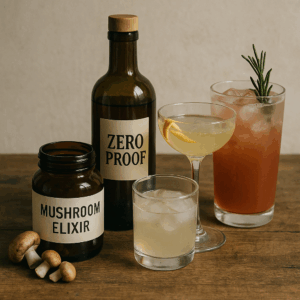
 Alcohol alternatives have exploded onto the American beverage scene, with the non-alcoholic drinks market surpassing $11 billion worldwide in 2022 and reaching a staggering $1.3 trillion valuation in 2023. We’re witnessing a remarkable cultural shift as Gen Z embraces more restrained drinking habits, driving the popularity of zero-proof spirits and alcohol-free cocktails across the country. No longer limited to sugary sodas or plain seltzer, today’s alcohol alternative drinks include sophisticated non-alcoholic cocktails, beer, wine, and even functional beverages containing adaptogens or caffeine.
In fact, this revolution extends beyond just having options—it represents a fundamental change in how Americans approach socializing and wellness. The rising popularity of movements like “Sober October” and “Dry January” reflects a growing awareness of the health and social impacts of excessive drinking. Pioneering brands like Seedlip, now featured in over 500 restaurants and bars worldwide, have demonstrated that non-alcoholic spirits can be crafted with the same care and complexity as traditional alcoholic beverages. With this growing interest in alcohol-free living, we’ve created this comprehensive guide to the best alcohol alternatives currently available in the USA—from sophisticated zero-proof spirits to innovative mushroom beverages that provide unique experiences without the hangover.
Functional Beverages and Their Health Benefits
Functional beverages represent the next frontier in alcohol alternatives, offering specific health benefits beyond basic hydration or flavor. The adaptogenic drink industry alone is currently valued around $1.2 billion and expected to nearly double over the next decade. These innovative drinks contain bioactive ingredients that can influence mood, cognition, and physical wellbeing.
What exactly makes a beverage “functional”? According to nutritionists, these drinks contain ingredients that provide beneficial effects beyond essential nutrients. The most popular categories include adaptogens (stress-managing herbs), nootropics (cognitive enhancers), functional mushrooms, fermented beverages, and CBD-infused products.
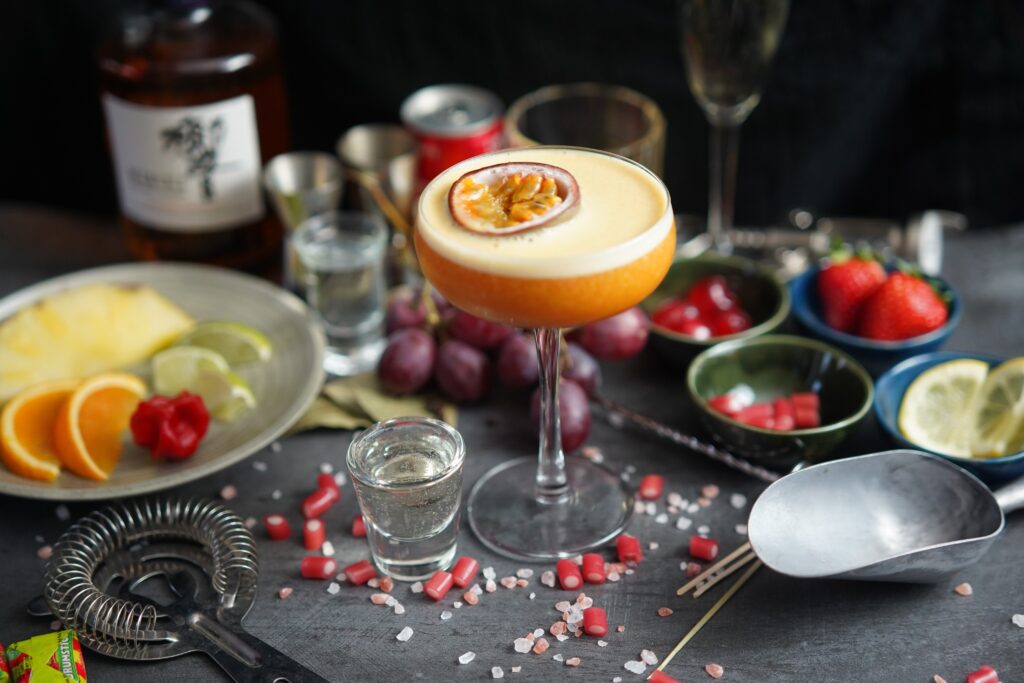
Adaptogens like ashwagandha, rhodiola, and holy basil help the body adapt to stress by interacting with the hypothalamic-pituitary-adrenal axis, which regulates our stress response. Research shows ashwagandha effectively reduces anxiety at certain doses, while rhodiola may combat fatigue and depression.
Nootropics aim to enhance brain function, particularly focus and memory. L-theanine, an amino acid found in tea, works synergistically with caffeine to increase mental alertness while reducing jitteriness. Although still emerging, some studies suggest L-theanine improves attention and working memory.
Functional mushrooms like lion’s mane, reishi, and chaga contain powerful compounds with antioxidant properties.
Lion’s mane may support cognitive health, while reishi helps boost immunity and reduce stress. Mushroom coffee, combining coffee with extracted mushrooms, offers these benefits with less caffeine than regular coffee.
Fermented drinks such as kombucha and kefir support gut health through probiotics. “The gut-brain axis plays a crucial role in mood regulation,” experts note, suggesting probiotic-rich drinks may enhance gut microbiota diversity linked to improved mental health.
Nevertheless, it’s important to recognize that while some functional beverages show promise, many claims await further scientific validation. Additionally, these drinks aren’t regulated like medications, so effectiveness varies widely between products and individuals.
Mocktail Recipes: Sophisticated, Alcohol-Free Socializing
Gone are the days when skipping alcohol meant settling for plain soda or sugary fruit juice. Today’s mocktails rival traditional cocktails in both complexity and presentation, offering sophisticated alternatives for those embracing the alcohol-free lifestyle.
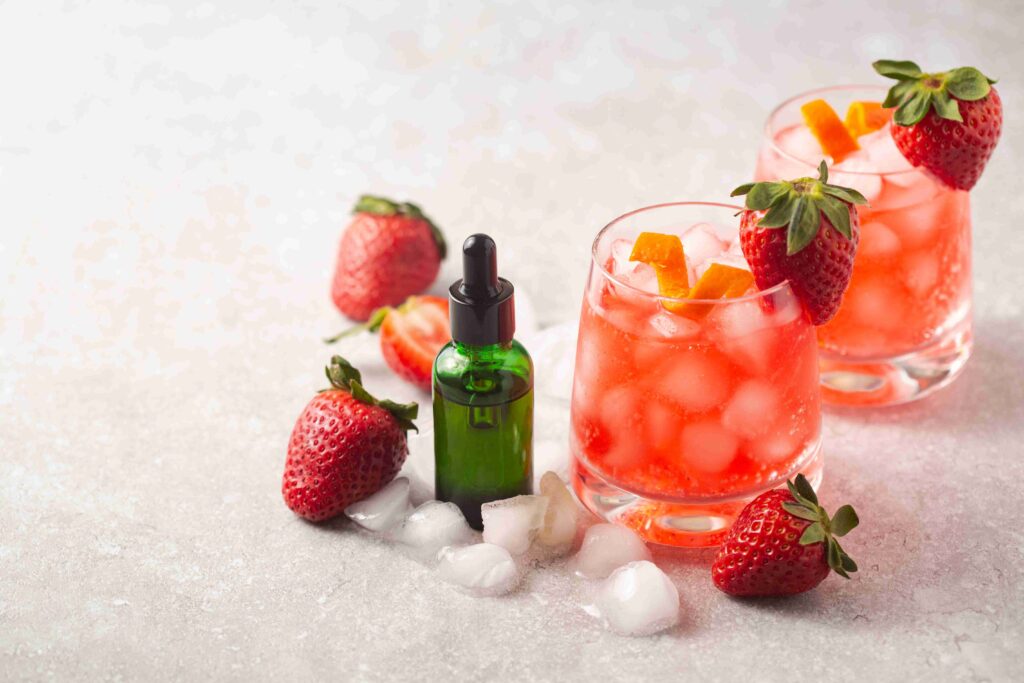
The zero-proof Negroni, often called the “NAgroni,” perfectly captures the essence of its alcoholic counterpart. This elegant mocktail combines 2 ounces of Monday Zero Alcohol Gin with ½ ounce Blutul Rosso Vermouth, ½ ounce Ghia Non-Alcoholic Aperitif, ½ ounce blood orange bitters, and ¼ ounce simple syrup. Simply stir all ingredients in a mixing glass with ice, strain into a rocks glass, and garnish with an orange twist for that bittersweet, herbal complexity.
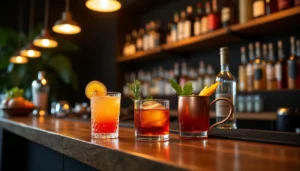
For something brighter, the Citrus Sparkler delivers a festive experience without the hangover. Start by making orange syrup—combine orange zest, sugar, and hot water; let sit overnight, then strain. Mix 1½ ounces each of orange and tangerine juice with ¾ ounce of your prepared syrup, ½ ounce lime juice, and a few drops of orange flower water. Shake with ice, strain into a tall glass, top with club soda, and garnish with orange and lime slices.
Seedlip, the pioneering non-alcoholic spirit brand, offers exceptional base ingredients for sophisticated mocktails. The “Light & Breezy” pairs 50ml Seedlip Grove 42 (their citrus-forward blend) with ginger beer, creating a refreshing drink that mimics the warmth and complexity of alcoholic beverages.
For those seeking functional benefits with their social sipping, Recess’s Ginger Lime Mule delivers both flavor and wellness. This premade mocktail contains just 30 calories and 7g of natural sugar while offering the uplifting effects of guayusa and balancing adaptogens—perfect for alcohol-free moments that still deserve celebration.
These elevated recipes demonstrate how non-alcoholic socializing has evolved beyond simplistic substitutes to become a culinary category worthy of exploration.
Challenges & Opportunities in the Alcohol-Free Market
Despite rapid growth in the alcohol-free beverage market, several significant challenges remain alongside promising opportunities for brands in this evolving category.
Price perception presents perhaps the biggest hurdle. Consumers naturally expect non-alcoholic products to cost less than their alcoholic counterparts, yet many premium zero-proof spirits cost equivalent or even higher prices. Data sho
ws 73% of US consumers believe alcohol-free beverages should cost less, with 45% specifically expecting lower prices than alcoholic versions. This disparity exists because producing quality non-alcoholic alternatives often requires complex processes—many involve making a traditional alcoholic product first, then removing the alcohol through expensive dealcoholization techniques.
Market accessibility poses another challenge. Availability is cited as the primary barrier to increased consumption, with 47% of no/low buyers in 2023 mentioning it as a factor preventing more frequent consumption—up from 36% in 2021. Moreover, regulatory confusion exists around where these products should be placed in retail environments, as many contain up to 0.
5% ABV and require ID verification in certain states.
Nevertheless, significant opportunities exist. The global market for non-alcoholic drinks is expected to grow at a compound annual rate of 7% between 2023-2027, eventually comprising nearly 4% of the overall alcohol market.
Inclusivity represents a particularly promising opportunity. Events industry data shows that while dietary requirements are routinely accommodated, non-alcoholic options often remain an afterthought. By creating sophisticated alcohol-free alternatives, venues can increase guest satisfaction and participation, as 30% of drinks menus featuring non-alcoholic beverages help consumers feel welcomed and valued.
Innovation pathways continue expanding, especially in functional ingredients. Brands incorporating adaptogens, nootropics, and other wellness-oriented compounds can differentiate themselves while providing additional value beyond mere alcohol substitution.
Younger demographics present the most significant growth opportunity. With 40% of 18-25-year-olds now identifying as non-drinkers—a substantial increase from 27% in 2023—and Gen Z hitting drinking age in growing numbers, brands have unprecedented opportunity to shape consumption patterns without competing against established alcohol preferences.
Conclusion
Conclusion: The Future of Alcohol Alternatives
The alcohol-free revolution unfolding across America represents far more than a passing trend. Throughout this article, we’ve seen how non-alcoholic alternatives have transformed from simple substitutes into sophisticated experiences worthy of celebration. Undoubtedly, the explosive growth—from an $11 billion global market to a $1.3 trillion valuation in just one year—signals a fundamental shift in American drinking culture.
This remarkable transformation stems primarily from changing consumer priorities. Health consciousness now drives purchasing decisions for many Americans, especially younger generations who prioritize wellness without sacrificing social experiences. Furthermore, the quality gap between alcoholic and non-alcoholic options continues to narrow, with brands like Seedlip proving that complex flavors don’t require alcohol.
The functional beverage category particularly stands at the forefront of innovation. Adaptogens, nootropics, and functional mushrooms offer benefits beyond mere flavor, addressing specific wellness needs while providing sophisticated drinking experiences. Similarly, the evolution of mocktails from afterthoughts to centerpieces demonstrates how creativity flourishes within constraints.
Though challenges persist—particularly regarding price perception and market accessibility—the opportunities vastly outweigh them. The projected 7% compound annual growth rate through 2027 indicates substantial room for expansion. Most importantly, with 40% of 18-25-year-olds now identifying as non-drinkers, brands have unprecedented opportunity to shape consumption patterns for generations to come.
The future of alcohol alternatives looks exceptionally bright. As innovation continues and consumer acceptance grows, we expect these alternatives to become increasingly mainstream, eventually blurring the distinction between alcoholic and non-alcoholic categories altogether. After all, the ultimate goal isn’t creating substitutes but rather crafting exceptional beverages that stand proudly on their own merits—regardless of alcohol content.
FAQs
Q1. Are there non-alcoholic drinks that can provide a buzz-like effect? While non-alcoholic drinks can’t replicate the intoxicating effects of alcohol, some functional beverages contain adaptogens or nootropics that may promote relaxation or enhance focus. Products like Kin Euphorics or Aplós use ingredients like rhodiola or l-theanine to create a calming effect, but the experience differs from alcohol and varies between individuals.
Q2. How do adaptogenic drinks affect the body? Adaptogenic drinks typically offer subtle effects, primarily promoting relaxation and stress reduction. Some may provide a gentle energy boost without the jitters associated with caffeine. However, the impact can vary widely between individuals, and these beverages are not intended to replicate alcohol’s effects.
Q3. What are some popular alcohol alternatives for social settings? Many sophisticated non-alcoholic options are now available for social occasions. These include zero-proof spirits like Seedlip, which can be used in mocktails, non-alcoholic wines and beers, and functional beverages containing adaptogens or nootropics. Brands like Monday Zero Alcohol Gin and Ghia Non-Alcoholic Aperitif offer complex flavors for crafting alcohol-free cocktails.
Q4. Why are some non-alcoholic beverages priced similarly to alcoholic drinks? The production of high-quality non-alcoholic alternatives often involves complex processes, including the creation and subsequent dealcoholization of traditional spirits. These techniques, combined with the use of premium ingredients and the smaller scale of production, contribute to higher costs. However, many consumers still expect lower prices for alcohol-free options.
Q5. How is the alcohol-free beverage market expected to grow? The global market for non-alcoholic drinks is projected to grow at a compound annual rate of 7% between 2023-2027. This growth is driven by increasing health consciousness, especially among younger generations, and ongoing innovations in the category. The market is expected to eventually comprise nearly 4% of the overall alcohol market, indicating significant potential for expansion.